
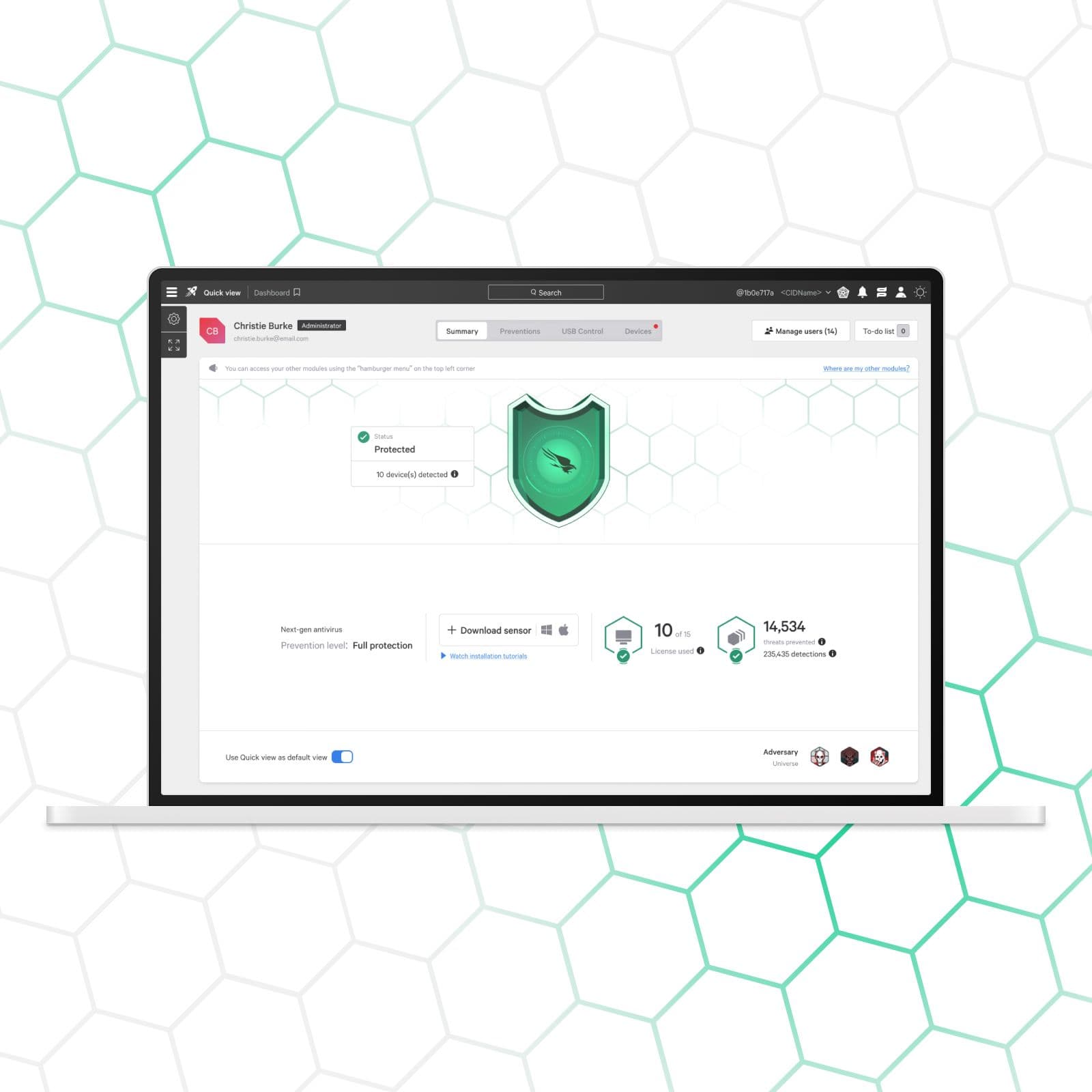
Simplified cybersecurity platform experience for SMB users
Create a simple layer in the cybersecurity platform for non-technical SMB users to install agents and perform a few basic actions.
Figma / Miro
Context
The company wanted to expand into small and mid-sized businesses, but the product was built for companies with dedicated IT teams. That alone made it expensive to adopt and maintain.
Problem
Cybersecurity software is more powerful than traditional antivirus, but also more complex and expensive. Meanwhile, tools like McAfee are easy to install and “good enough” for small businesses.
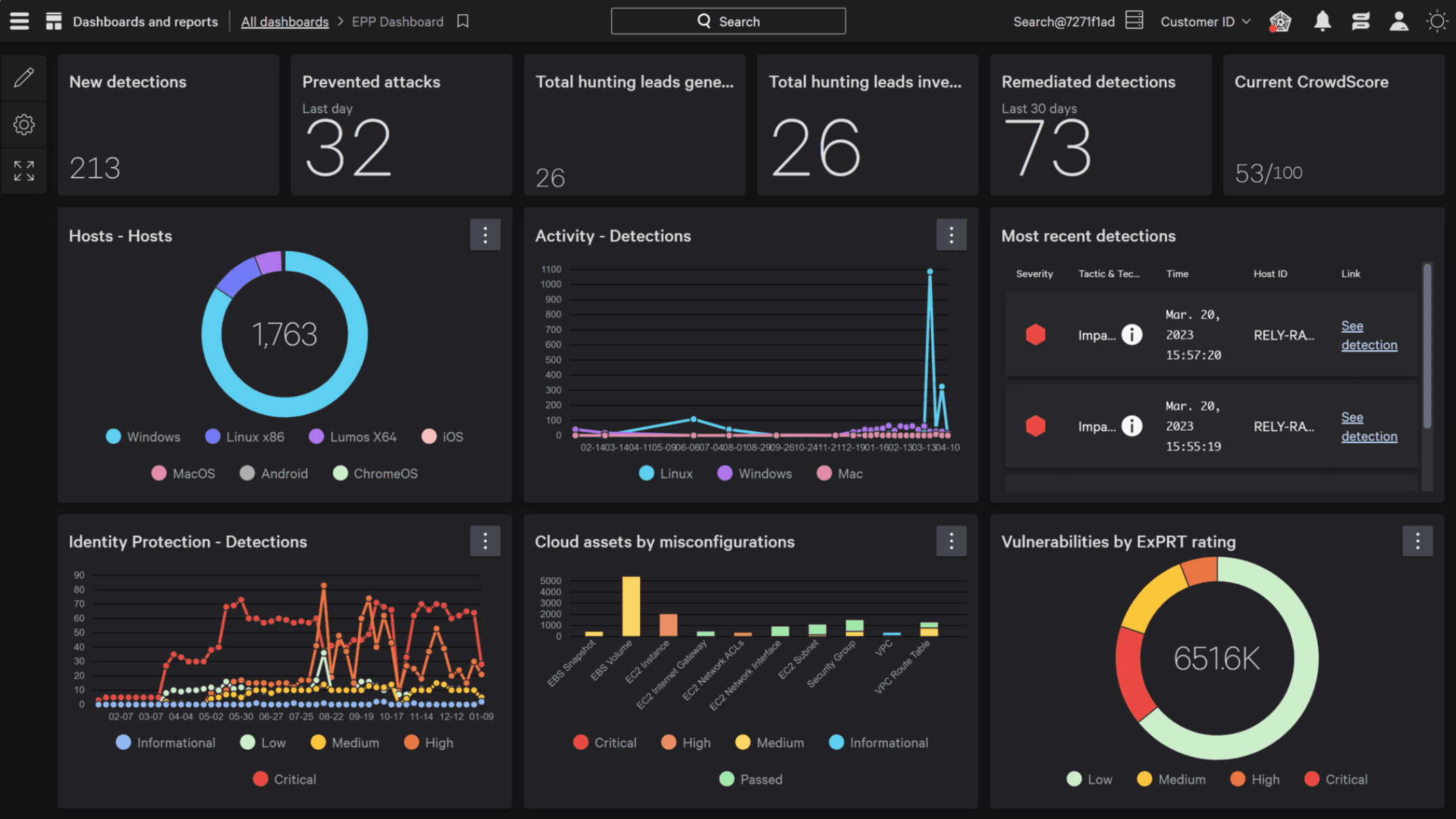
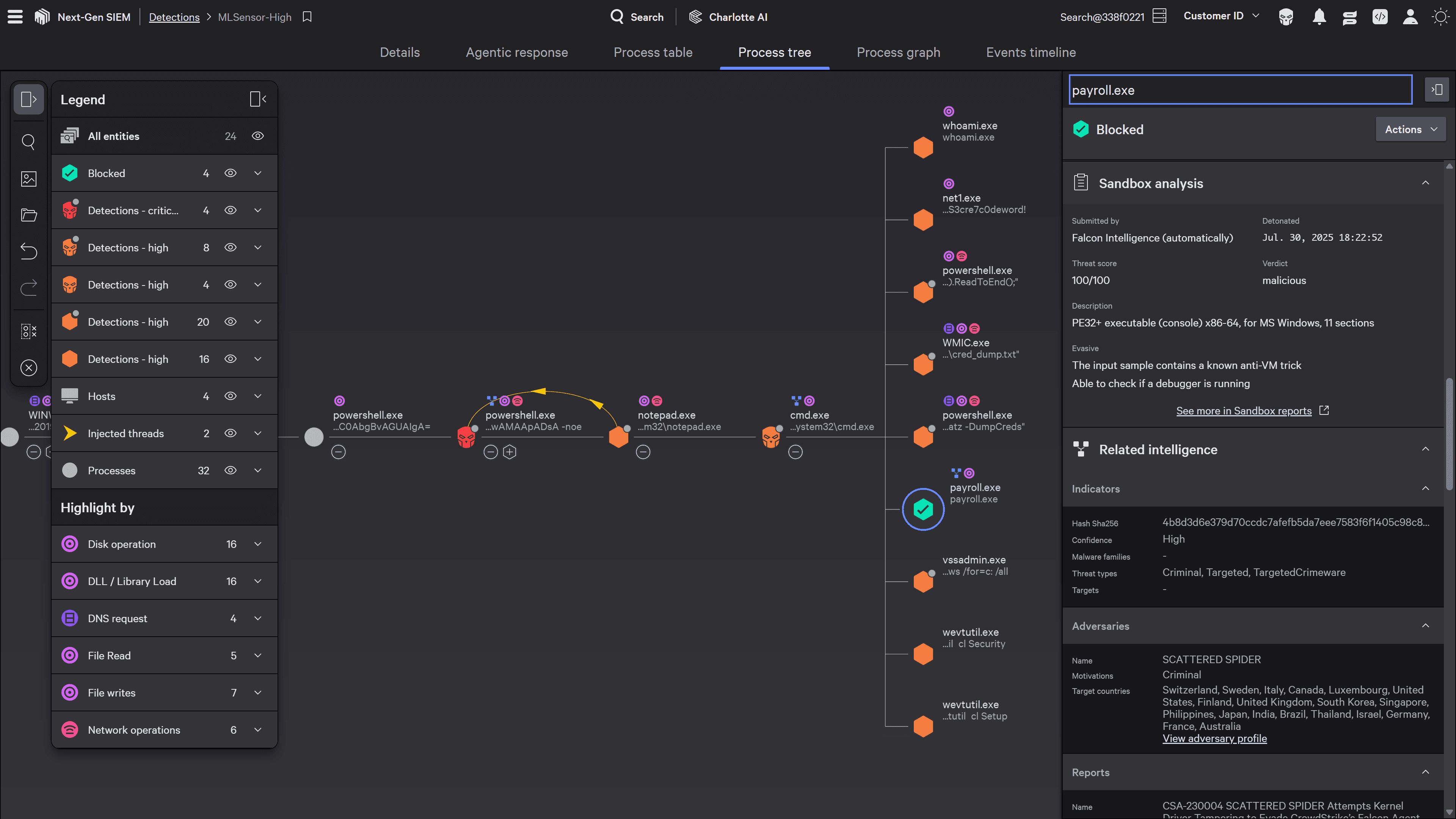
That made it extremely hard for marketing and sales to pitch this product to SMBs.
Define
Ineffective meetings
We had 6 months to ship, but spent a lot of time in meetings with leaders from product, marketing, sales, and others I did not even know. Everyone had opinions. Everyone wanted to establish authority. Everyone became a stakeholder.
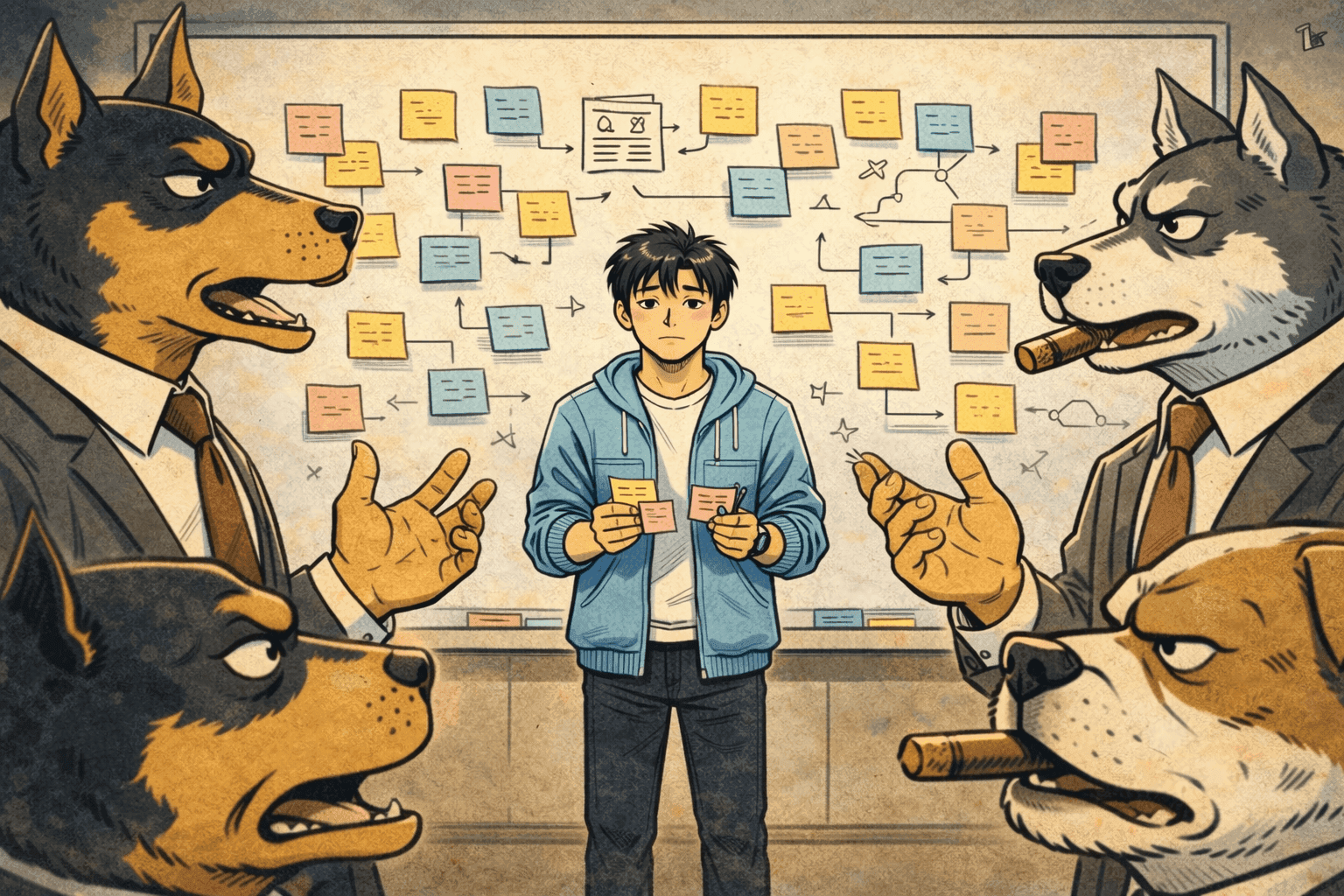
“I couldn’t believe we had to fly to Washington D.C. just to finish the last round of these meetings.”
Effective meetings
The actual working team, including engineering, product, and me, met separately and just decided what to do.
MVP defined
To hit the deadline, we scoped it down hard:
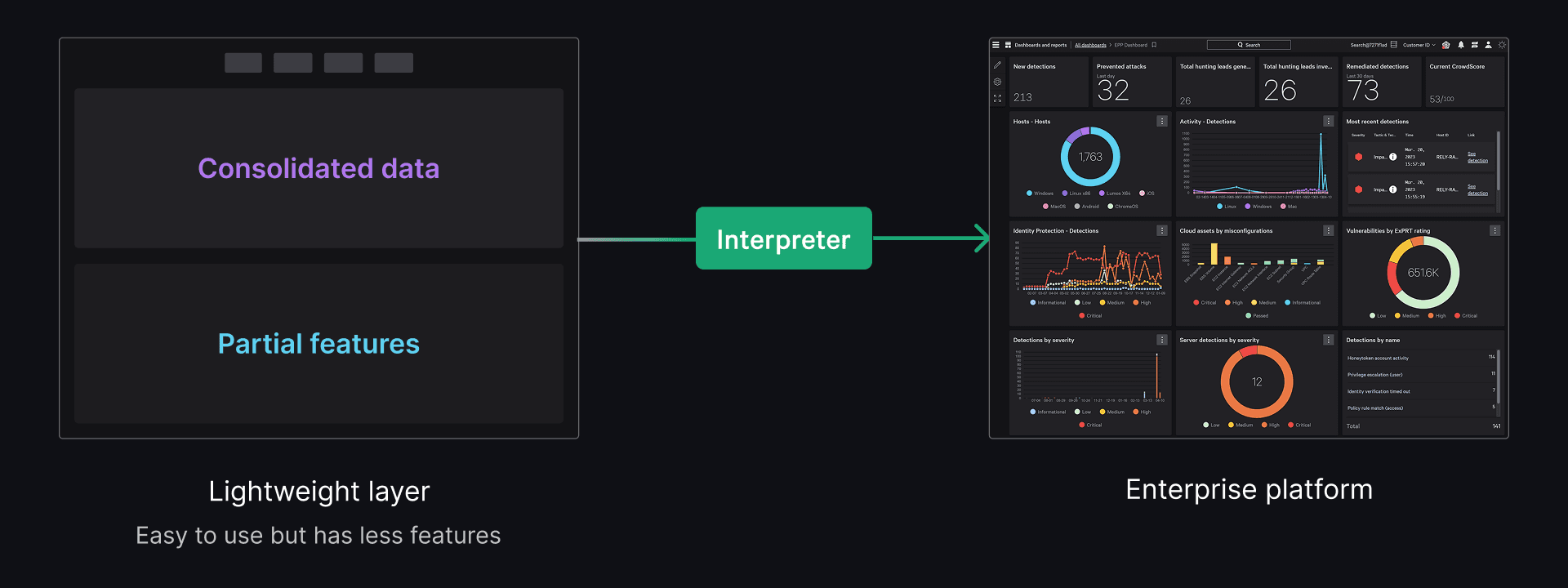
Build a simple layer for non-technical SMB users, defined by sales and marketing, that lets them install agents and leave. No need to ever come back.
What I needed to solve
- Onboarding. Get users to manually install agents across machines, return, and verify installation
- Only if they really want to use the platform. Expose a few simplified features, knowing this would trigger debates
This was a simple problem. I thought I could finish the design in a week.
Ideate
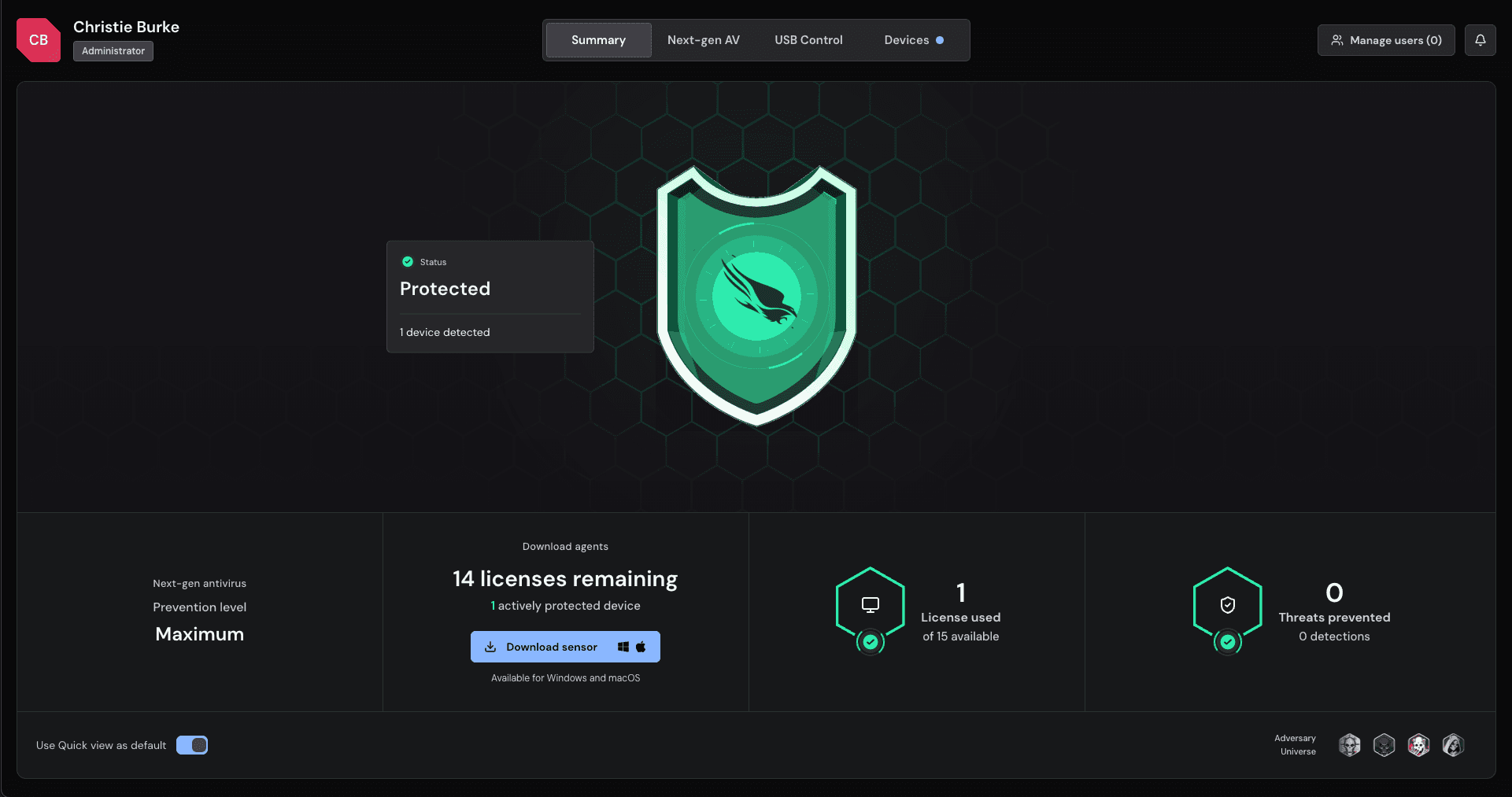
I had solid ideas from going through the existing onboarding flows many times. I simplified the steps, made it feel closer to antivirus products, and added a few small friendly touches.
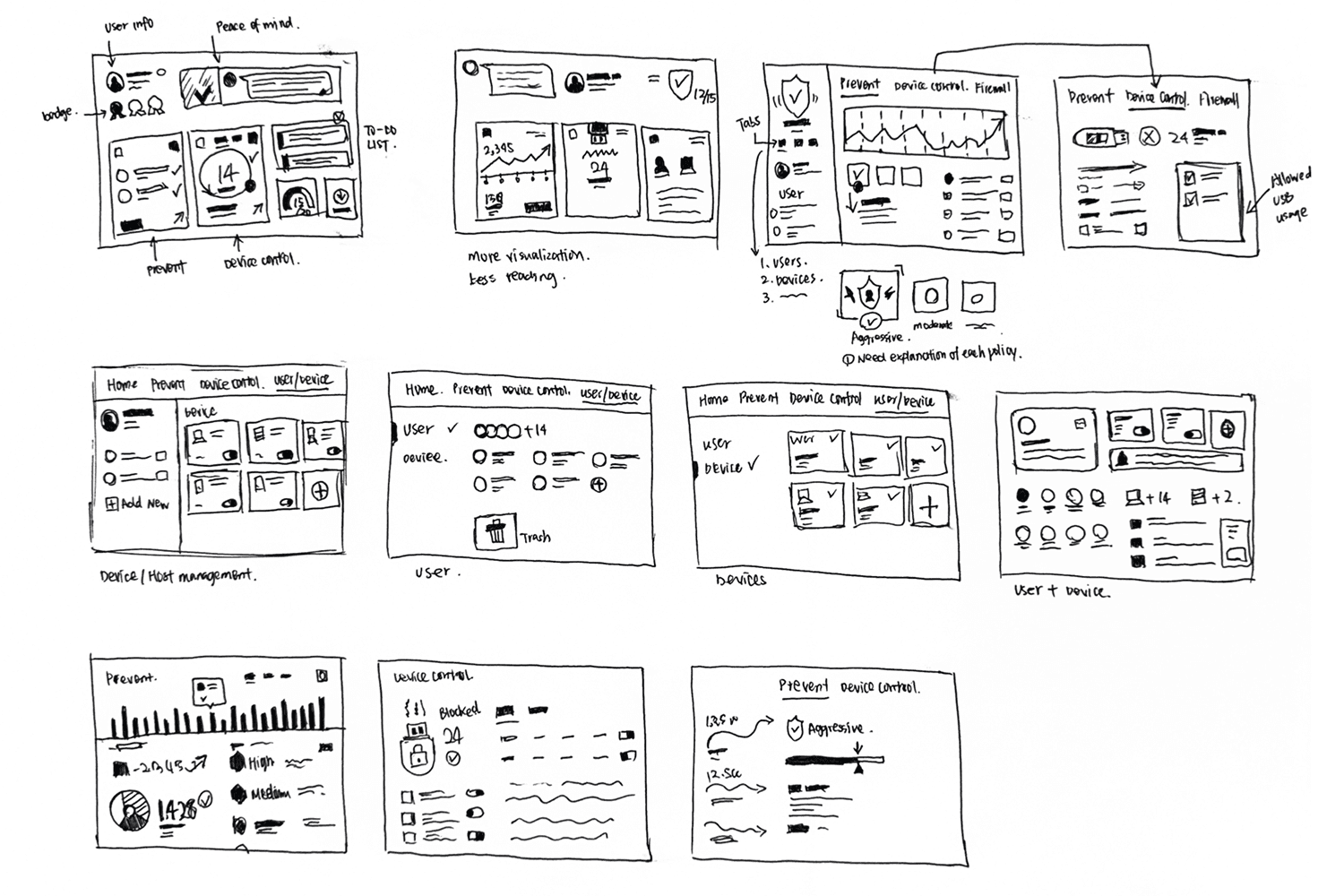
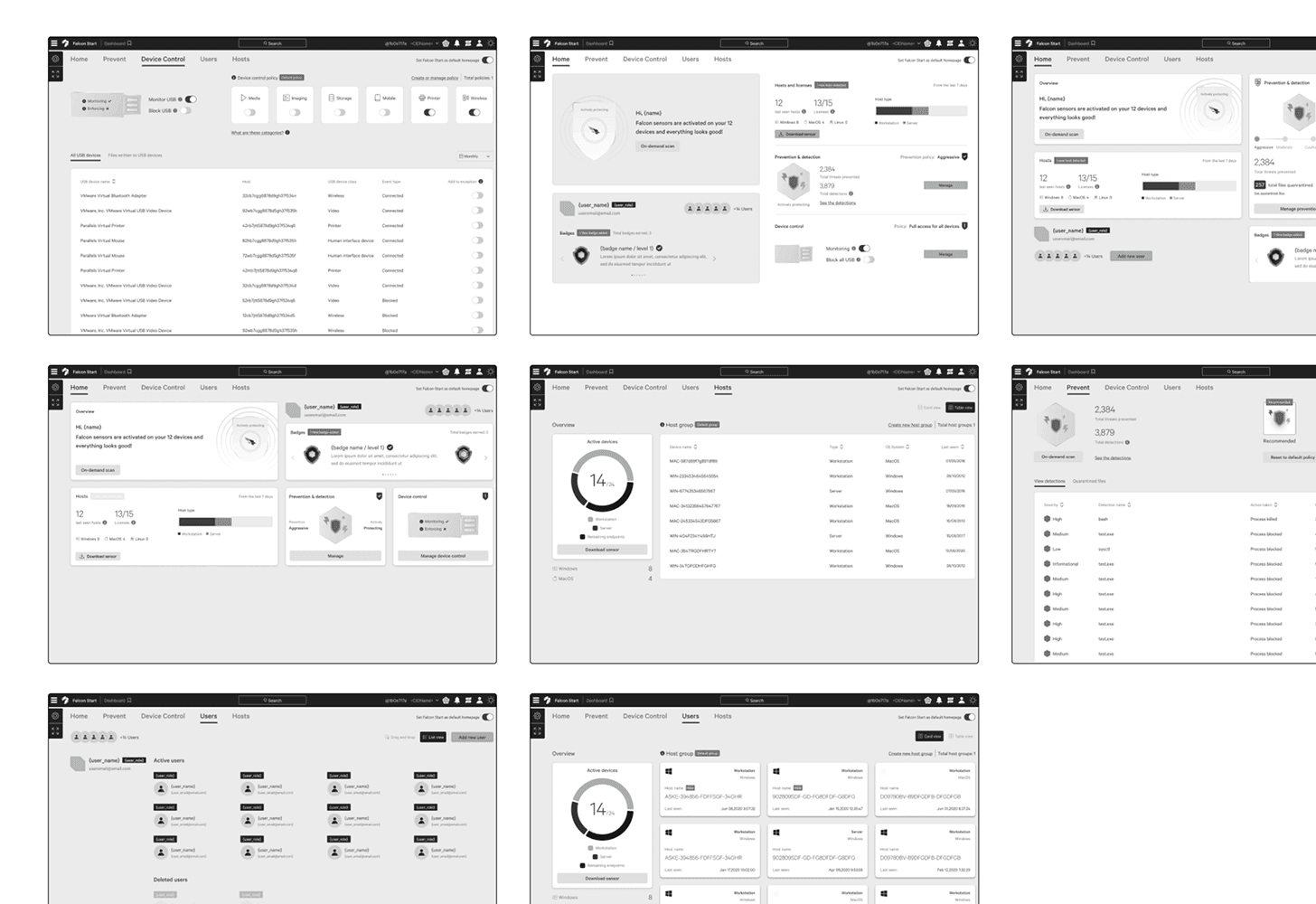
Expanding ideas into UI details
Inherited grid layout + Antivirus software simple controls
Quarantine files in canvas view
Drag and drop device management
Research (kind of)
- I did just enough research to sound credible in meetings.
- I talked to 3 “SMB” customers. All slightly technical, not really our target.
- I joined some ongoing interviews, but the users did not match what we actually needed.
We needed people who knew nothing about cybersecurity.
Legal blocked almost everything:
- No incentives
- No screen sharing
- No real context
So I used UserTesting and hoped for the best.
UserTesting is mostly people trying to get paid and speed through answers.
How I broke the deadlock
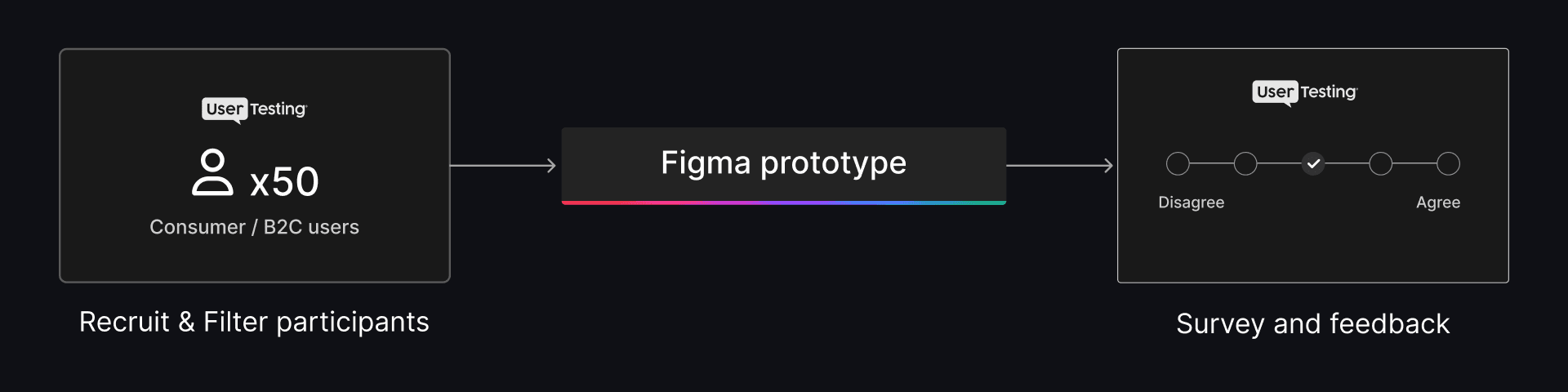
I built a working prototype and focused only on usability. Could users complete the flow? That became the only thing I cared about after all the noise.
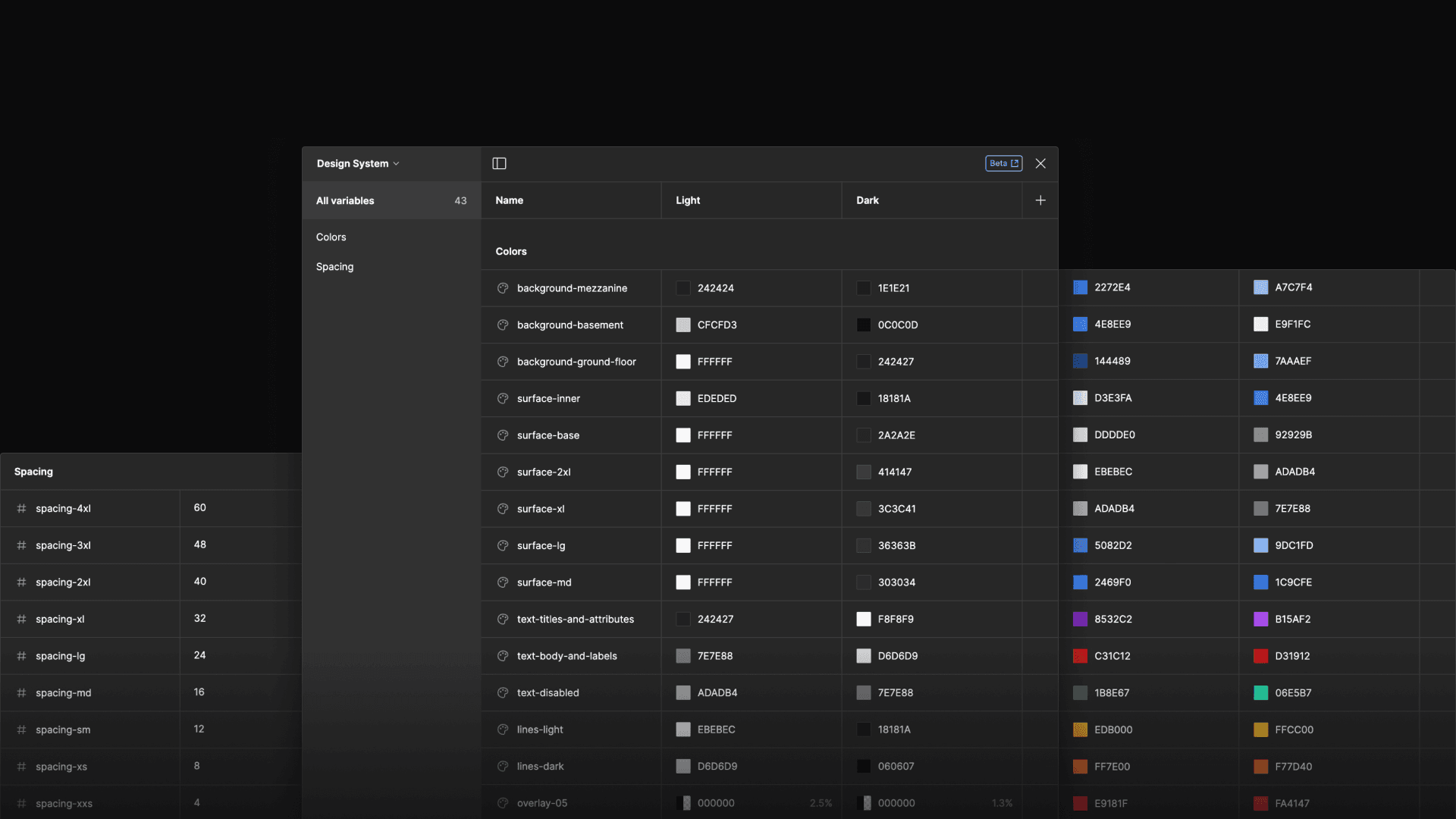
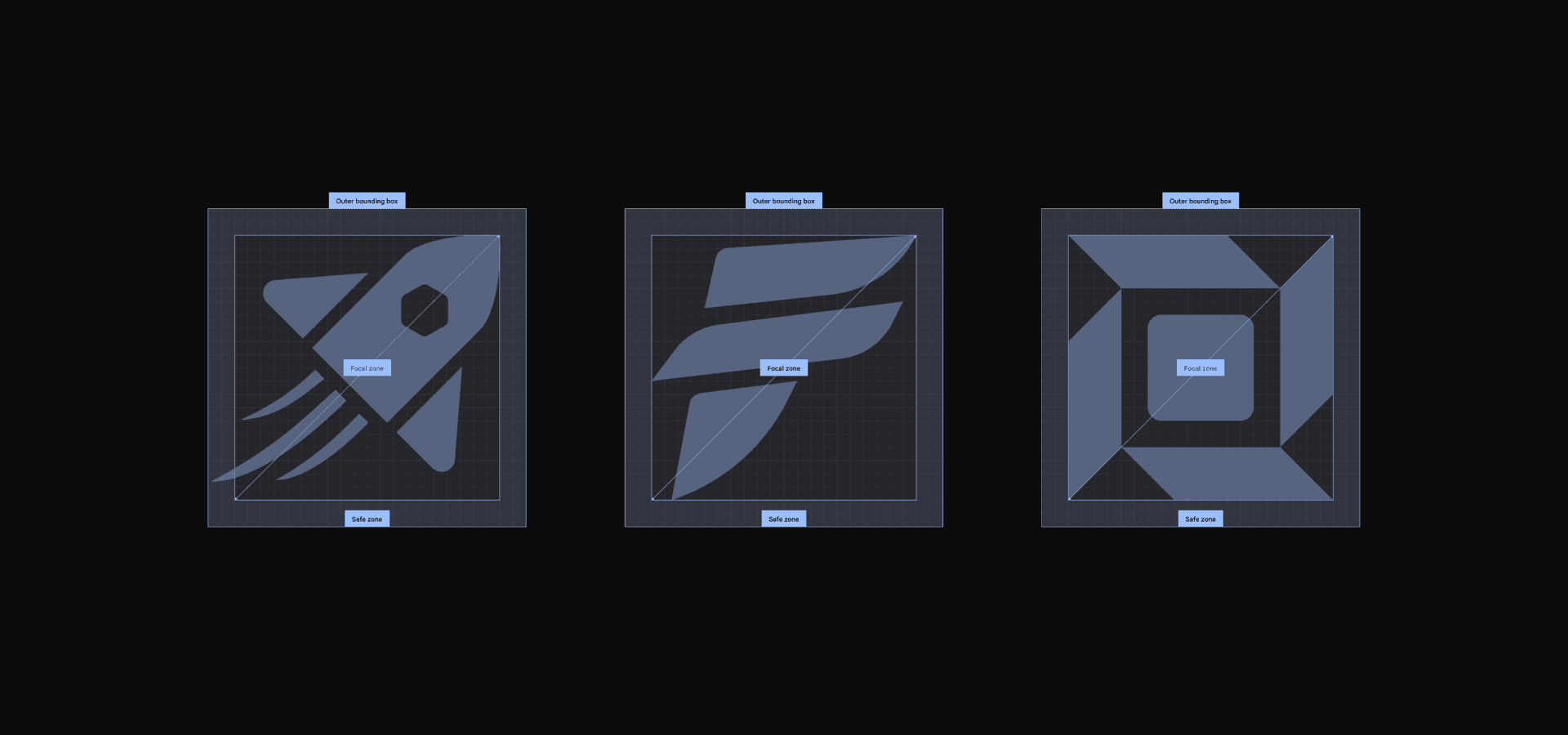
Visual system

Iterations
Making the UX worse
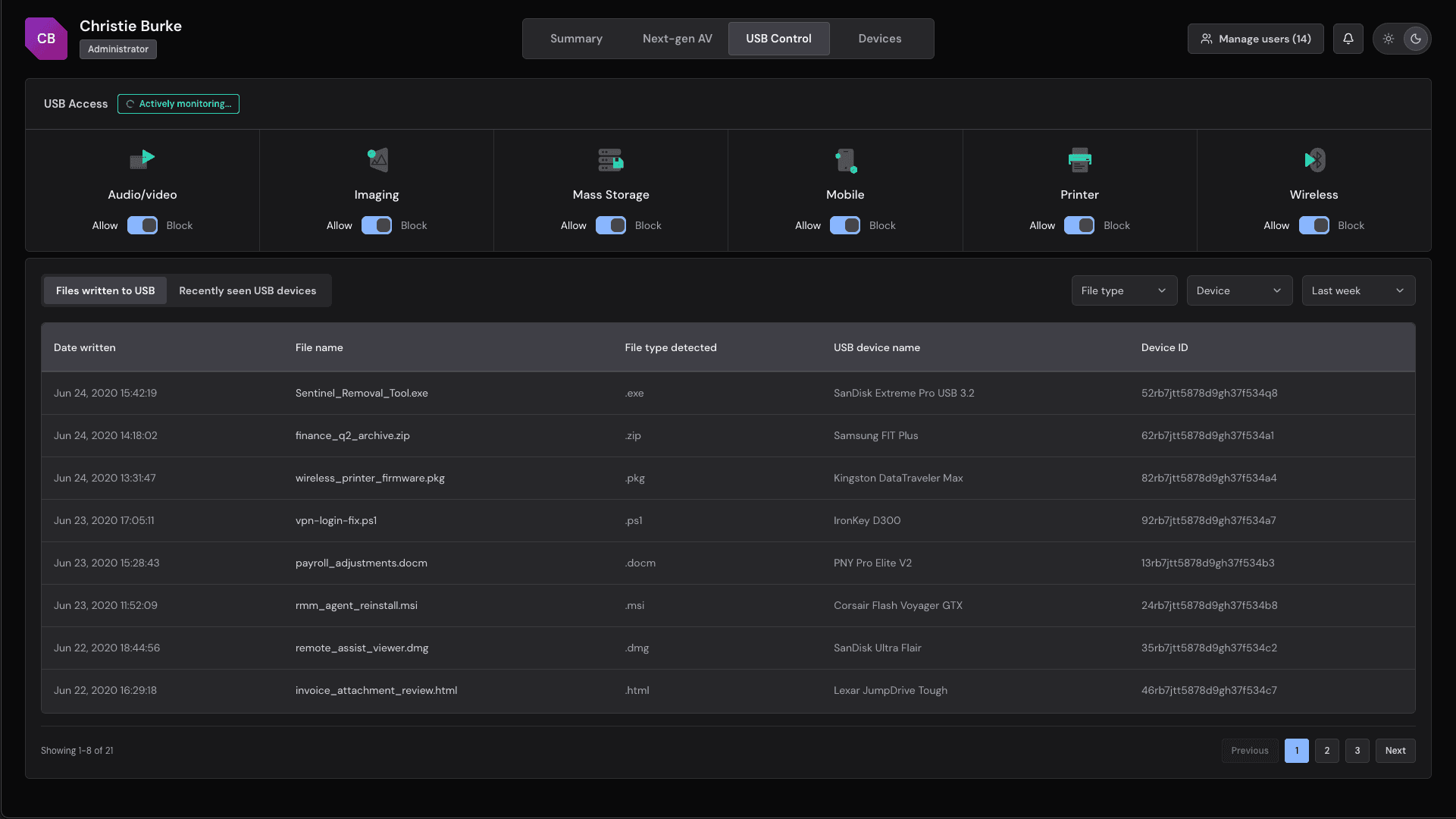
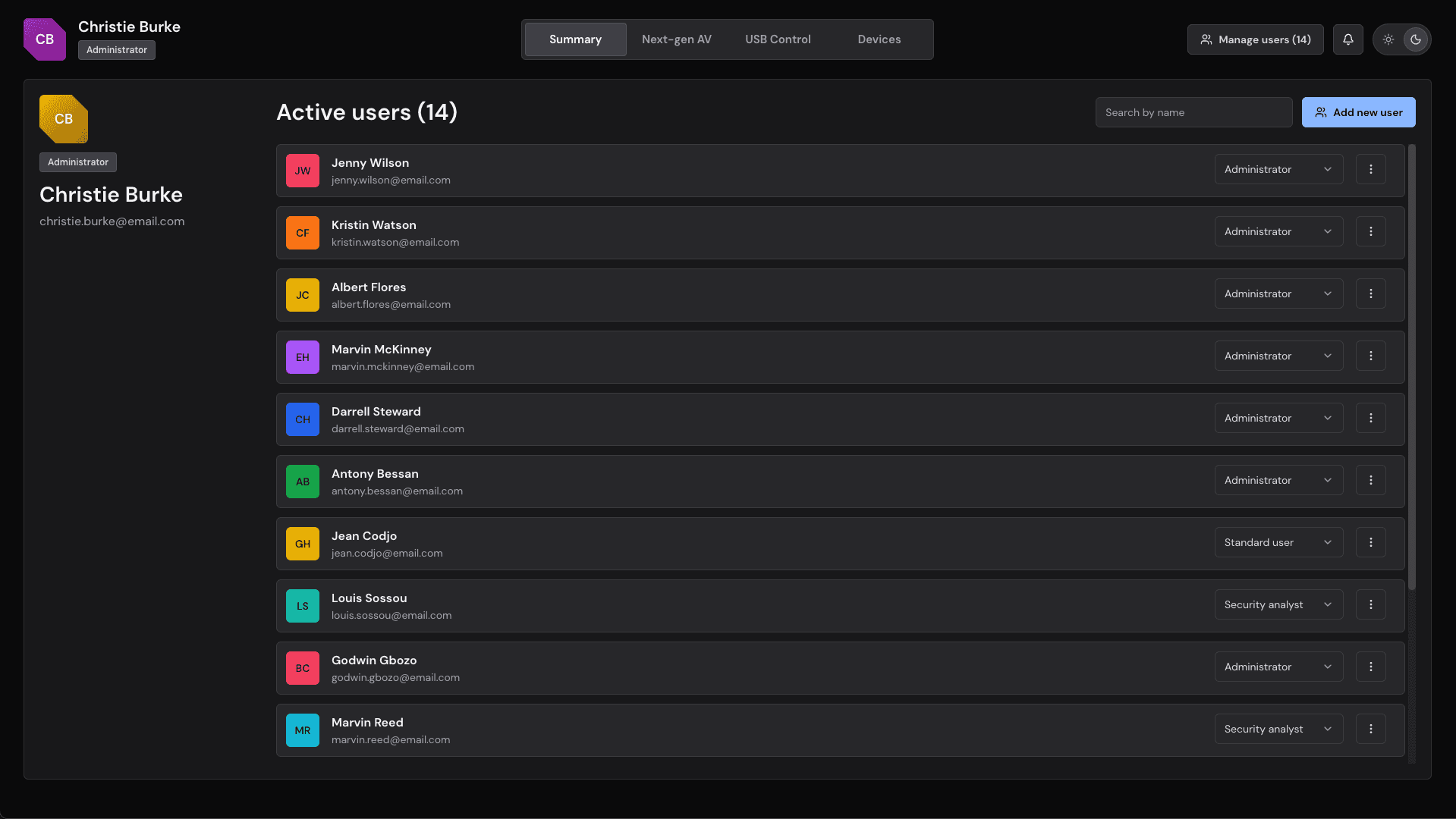
Leadership wanted to expand the scope to users who supposedly wanted the full platform. That broke the original “set it and forget it” model. The layer got embedded back into the platform, which pushed non-technical users into a highly technical experience again.
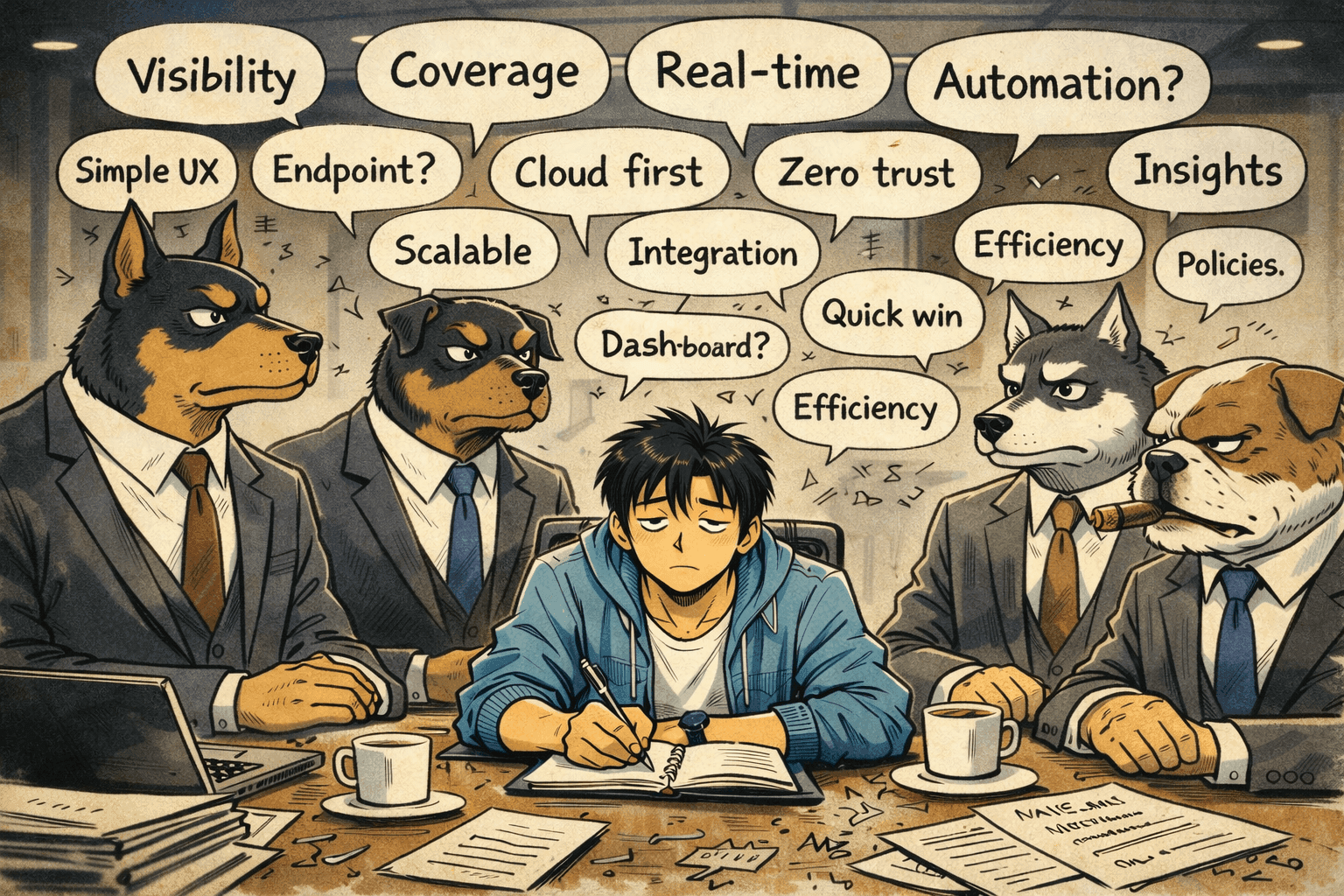
Leadership’s reasons for changing direction:
- We needed to account for people who wanted to learn. (These users did not exist.)
- The platform already used a grid-and-cards layout, and the platform itself had bad UX, so this design supposedly could not use a grid layout.
My fear
Company was undergoing leadership level changes:
- Re-org with new leadership
- Trying to stay aligned with the right people
- Not pissing anyone off
I had also just had my first kid. CrowdStrike paid well and was fully remote. I was not going to spend my energy arguing with everyone.
I compromised and gave up
I added features that did not make sense and removed things that did. Not because they were wrong. Just because leadership did not like them.
Final usability test
I shipped a version that was honestly a bit of a mess. More screens, more context, some things I did not believe in. But I pushed back on the truly bad ideas and tested what was left.
Test result
- 92% of 50 participants completed all tasks
- They reached the final screen and answered follow-up questions
Only about 30% of those gave useful feedback. Still, it proved the core flow worked. I handed it off to engineering, presented it at the quarterly product meeting, and moved on.
Business results
It actually worked. Not perfectly, but enough.
Sales used it to pitch SMB customers and closed deals. I do not know how many.
But:
- The team still exists, not killed or laid off
- The product was mentioned by the CEO in a quarterly earnings call, bundled with Amazon Business Prime
It worked
Not clean. Not ideal. But it solved the problem. And yeah, thanks for reading if you made it this far.